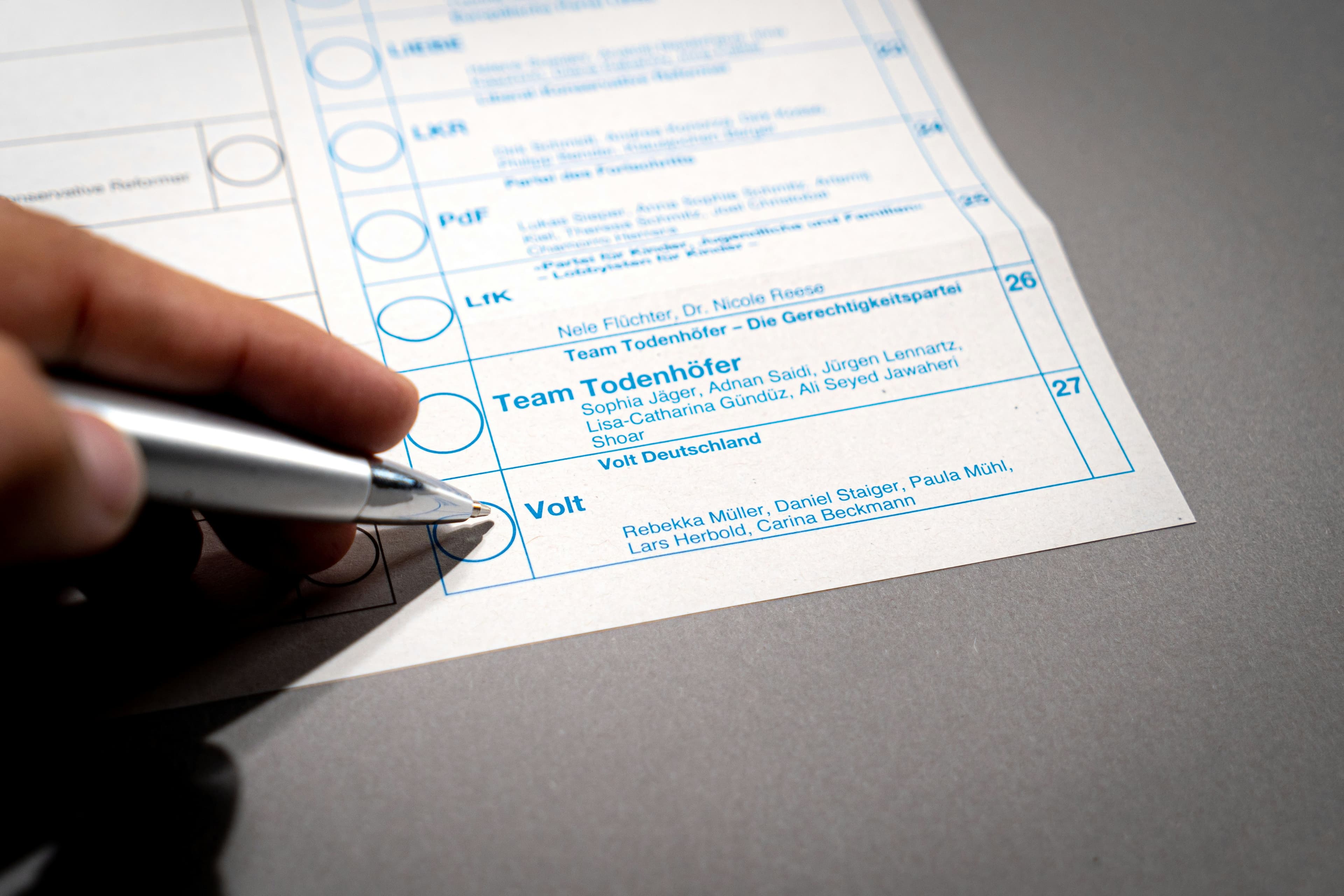
 Photo: Mika Baumeister / Unsplash
Enrollment Timeline Planning: How to Set and Hold Deadlines That Actually Work
Every spring, the same pattern plays out. A school opens its application window on time, runs the lottery on schedule, and then watches the weeks after the drawing dissolve into chaos. Acceptance deadlines slip. Waitlist families stop answering the phone. The registrar is still chasing documents in August. The problem is rarely the lottery itself — it is the lack of rigorous enrollment timeline planning around every step that follows.
Most enrollment calendars look clean on paper. They list a handful of dates: application opens, application closes, lottery date, school starts. But the real work — and the real risk of delay — lives in the gaps between those dates. This post walks through how to build a timeline that accounts for those gaps, holds up under pressure, and earns family trust instead of eroding it.
Why Enrollment Timeline Planning Fails
The root cause is almost always the same: the calendar was built around best-case scenarios. Every deadline assumed that families would respond promptly, that documents would arrive complete, and that no seat would need to be re-offered. In practice, none of those assumptions hold.
Here are the most common failure points:
- Acceptance windows that are too generous. Giving families two weeks to accept a seat feels family-friendly, but multiply that by three rounds of waitlist offers and you have burned six weeks before the first alternate even gets a call.
- No defined document-submission deadline. Schools tell families to "submit documents as soon as possible" and then wonder why packets trickle in through July.
- No buffer between the lottery and the first day staff need a final roster. If your school needs class lists finalized by August 1 and your lottery is in March, five months sounds like plenty. It is not, once you account for acceptance rounds, waitlist movement, and registration processing.
- Waitlist procedures that restart the clock with every offer. Each new offer triggers a new acceptance window, a new document collection cycle, and a new round of follow-up. Without compression, this sequence can loop indefinitely.
The fix is not to shorten every deadline to twenty-four hours. It is to design the full sequence — from application open to final roster — as a single, interlocking chain where each link has a defined duration and a hard stop.
Building the Calendar Backward
Start with the date you need a final, verified roster in hand. For most schools, this is one to two weeks before the first day of school. That is your anchor date. Everything else works backward from there.
Step 1: Define the Final Roster Date
This is not the first day of school. It is the date by which every enrolled student must have a confirmed seat, completed registration packet, and any required health or residency documentation on file. Talk to your registrar, your front office, and your authorizer to pin this down. If you are unsure, two weeks before the first student day is a reasonable default.
Step 2: Reserve a Waitlist-Movement Window
Between the lottery and the final roster date, you need a defined period during which waitlist offers can be made and resolved. Schools typically see between 20 and 40 percent of offered seats declined or abandoned, which means significant waitlist activity.
A realistic waitlist-movement window includes:
- Offer communication time: 1 to 2 business days per round to reach families by phone, email, and mail.
- Acceptance deadline per offer: 3 to 5 business days. Shorter is better, but check your charter agreement and any authorizer guidance for minimum response windows.
- Document submission deadline after acceptance: 5 to 10 business days.
- Administrative processing time between rounds: 1 to 2 business days for staff to update records, verify documents, and prepare the next round of offers.
Add those up for the number of waitlist rounds you expect to run. If you anticipate four rounds, and each round takes roughly two weeks end to end, you need eight weeks of waitlist runway. Block that time on the calendar before you set any other date.
Step 3: Set the Lottery Date
With your waitlist window defined, count backward from the final roster date. If you need eight weeks of waitlist movement and your final roster date is August 1, your lottery should happen no later than early June. Many schools run lotteries in March or April to give themselves even more room — which is wise, because buffer time is not wasted time.
Step 4: Set the Application Window
Work backward from the lottery date. Most schools keep the application window open for four to eight weeks. Shorter windows create urgency but risk excluding families who learn about the school later. Longer windows give more time for outreach but can lead to procrastination and incomplete applications.
A common structure:
- Application opens: Early January
- Application closes: Late February or early March
- Lottery drawing: Mid-March to mid-April
- Waitlist movement: April through June
- Final roster locked: Mid-July to early August
This is a template, not a mandate. Your state, authorizer, or charter contract may dictate specific windows. The principle is the same regardless: start from the end and work backward, assigning each phase a fixed duration.
Setting Deadlines Families Will Actually Respect
A deadline only works if families know about it, understand the consequences of missing it, and believe the school will enforce it. All three conditions are necessary.
Communicate Early and Often
Families should learn about every deadline before it applies to them — ideally at the moment they first interact with your enrollment process. When a family submits an application, they should immediately receive a document that outlines:
- The lottery date
- What happens if they receive an offer (and how long they have to respond)
- What documents they will need to submit and by when
- What happens if they miss a deadline
This is not fine print. It is the core information families need to participate successfully. Put it in the application confirmation email. Put it on your enrollment webpage. Print it on any paper correspondence. Translate it into every language your community needs.
Make Consequences Clear and Consistent
The most common consequence of a missed acceptance deadline is forfeiture of the seat, which moves to the next family on the waitlist. This needs to be stated plainly, in writing, before the deadline arrives — not after.
Equally important: enforce it consistently. If you extend the deadline for one family but not another, you undermine the legitimacy of every deadline in your process. This does not mean you cannot build in a short grace period or a documented exception process for genuine hardship. It means the exception process itself should be defined in advance, not invented on the spot.
Use Multiple Communication Channels
A single email is not enough. Schools that hold deadlines effectively tend to use at least three contact methods:
- Email (with read receipts or delivery confirmation when possible)
- Phone call or text message
- Physical mail for the initial offer letter
Document every attempt. If a family does not respond after all three channels have been used and the deadline has passed, you have a clear, defensible record that the school made reasonable efforts. This matters if questions arise later from families, board members, or your authorizer.
For a closer look at how a structured enrollment process supports this kind of communication, see how Marble's platform handles the full enrollment workflow.
Building Buffer Time Without Losing Momentum
Buffer time is the difference between a timeline that survives contact with reality and one that collapses at the first complication. But buffer time is not the same as slack. Slack is unstructured free time that quietly gets consumed. Buffer is intentionally reserved time with a specific purpose.
Here is how to build it in without letting the process drag:
- Add buffer after the waitlist window, not during it. Keep each waitlist round tight — short acceptance deadlines, quick turnarounds between rounds. Then reserve two to three weeks between the end of waitlist movement and the final roster date for cleanup: chasing missing documents, resolving address verification issues, handling late withdrawals.
- Schedule a "decision checkpoint" at the midpoint of the waitlist window. This is a date where staff review progress: How many seats are filled? How many offers are outstanding? How deep into the waitlist have you gone? If you are ahead of pace, you can slow down. If you are behind, you can compress remaining rounds or increase outreach intensity.
- Build in a hard cutoff for waitlist offers. At some point, continuing to make offers creates more disruption than it resolves. Define a date — typically three to four weeks before the first day of school — after which no new waitlist offers will be made for that enrollment cycle. Communicate this date to waitlisted families upfront so expectations are clear.
- Reserve one week before school starts as a no-change zone. No new enrollments, no roster swaps, no document exceptions. This gives your front office, teachers, and operations team a stable roster to plan around.
Enrollment Timeline Planning for Multi-Grade Schools
Schools enrolling across multiple grade levels face an additional layer of complexity. Each grade may have a different number of open seats, a different waitlist depth, and a different pace of family response. A single timeline can still work, but it requires grade-level tracking underneath.
Practical tips:
- Run one lottery for all grades, but track waitlist movement by grade. This keeps the process unified for families while giving staff the granularity they need.
- Set a single acceptance deadline across all grades. Staggering deadlines by grade creates confusion for families with siblings in multiple grades and multiplies the administrative burden.
- Identify "bottleneck grades" early. If your kindergarten has 80 applicants for 25 seats and your third grade has 12 applicants for 10 seats, the kindergarten waitlist will drive your timeline. Plan accordingly.
- Communicate grade-specific waitlist positions. A family that is number 3 on the kindergarten waitlist has a very different experience than a family that is number 45. Giving families their position — and updating it as the list moves — reduces anxiety and unnecessary phone calls to your office.
What to Do When the Timeline Breaks
Even well-designed timelines hit disruptions. A large employer closes and twenty families withdraw simultaneously. A state policy change requires re-verification of residency documents. A snowstorm cancels the lottery event.
When this happens:
- Acknowledge the disruption publicly and promptly. Families handle delays far better when they understand the reason and know the school is actively managing it.
- Publish a revised timeline with new dates. Do not leave families guessing. A revised calendar — even if imperfect — is better than silence.
- Compress future phases rather than extending the overall timeline. If the lottery is delayed by two weeks, shorten the first acceptance window from five business days to three rather than pushing the final roster date back. Protect the end date.
- Document everything. Your authorizer may ask why the timeline changed. A clear record of the disruption, the decision to adjust, and the revised dates demonstrates good governance.
How Marble Supports This
Marble is built around the principle that a fair lottery is only as good as the timeline surrounding it. The platform lets schools define every phase of the enrollment calendar — application windows, lottery dates, acceptance deadlines, waitlist rounds, and document submission cutoffs — in one place, with automated notifications that keep families informed at each step. When deadlines pass, the system moves to the next family on the waitlist without manual intervention, so cascading delays do not compound. The goal is a process that holds its shape from January through August.